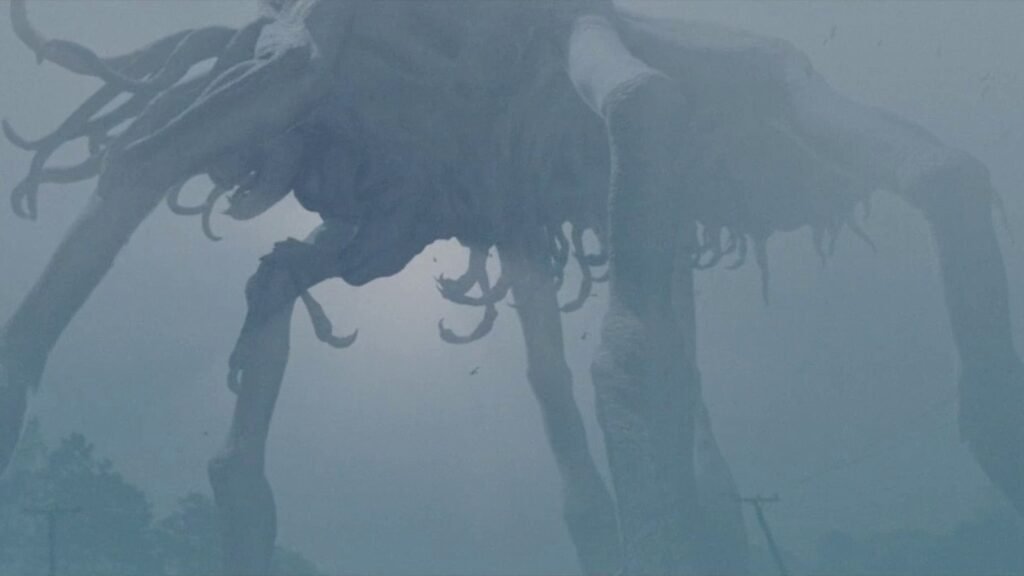
Horror writing is a fascinating and challenging genre that requires unique techniques and strategies to create an unforgettable experience for your readers. Whether you are a seasoned horror writer or a beginner, here are some essential tips to help you create spine-tingling stories that will keep your readers up at night.
Build tension
Tension is the key to horror writing. You want to create a sense of unease that builds and builds until it becomes almost unbearable. One way to do this is to use pacing and structure to manipulate your readers’ emotions. Start slowly and steadily increase the intensity of the horror until the climax.
Develop your characters
Your characters are the heart of your horror story. You want your readers to care about them, so they feel the horror on a personal level. Give your characters depth, backstory, and relatable qualities to make them come alive. When your readers connect with your characters, they will be invested in their fates, and the horror will feel all the more real.
Use sensory details
Sensory details bring your story to life and help your readers immerse themselves in the horror. Use vivid descriptions of sight, sound, smell, taste, and touch to create a visceral experience for your readers. The more vivid the details, the more frightening the horror will be.
Create a unique setting
The setting of your horror story can be just as important as the characters and plot. A creepy, atmospheric setting can enhance the horror and add an extra layer of terror to your story. Think about the location, time period, and atmosphere you want to create, and use sensory details to bring it to life.
Use foreshadowing
Foreshadowing is a powerful tool in horror writing. By hinting at the horror to come, you can build tension and anticipation in your readers. Foreshadowing can also add depth and complexity to your story, making it feel more satisfying and complete.
Leave things unsaid
Sometimes, the scariest thing is what is left unsaid. By leaving certain details to the reader’s imagination, you can create a sense of unease that is hard to shake. This can be especially effective when it comes to describing the horror itself. Let your readers fill in the gaps, and their imaginations will do the rest.
Experiment with different perspectives
Horror can be written from different perspectives, such as first-person, third-person, or even second-person. Each perspective has its advantages and disadvantages, so experiment with different perspectives to see which one works best for your story.
In conclusion, horror writing is an art form that requires skill, creativity, and a willingness to scare your readers. By using these tips, you can create horror stories that will haunt your readers long after they’ve turned the last page. So embrace the darkness, and happy writing!